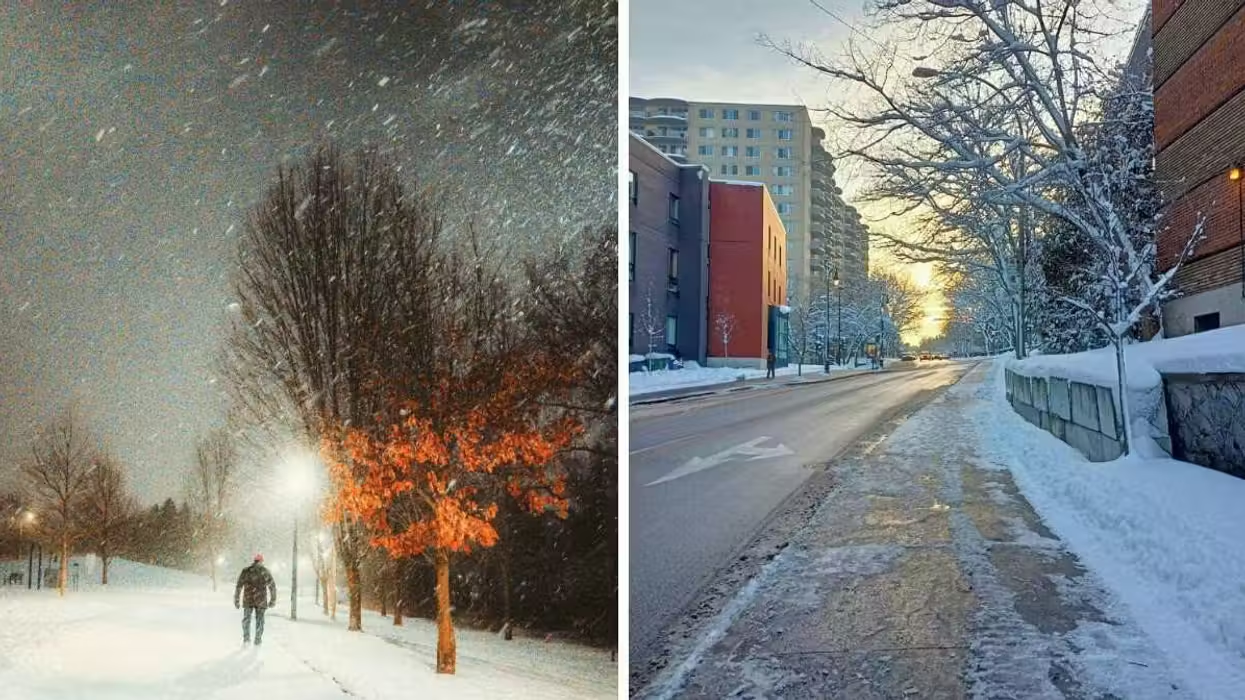
Canada Fall Snow Forecast: Which Days It Will Snow In These Provinces
The Canada fall snow forecast for 2026 points to a season of mixed weather across the country. While most regions can expect a milder autumn overall, several provinces will still see chilly stretches, rain, and even early snow showers. The Old Farmer’s Almanac has released its 2026 fall weather forecast, and it names the exact days when winter weather could arrive early this year.
This year’s outlook suggests most of Canada will stay warmer than usual through fall. However, that doesn’t mean snow is off the table everywhere. In fact, several provinces and territories are due for above-average precipitation, and that moisture will fall as snow in a few spots before November even begins.
For anyone planning outdoor events, road trips, or seasonal wardrobe swaps, knowing these dates matters. Below is a breakdown of the fall snow forecast for the Prairies, Ontario, Quebec, and the northern territories, along with the specific days each region should watch for snow and colder air.
When Will The Prairie Provinces See Snow This Fall?
Southern Alberta, Saskatchewan, and Manitoba are the first regions in line for wintry weather. Between October 8 and October 20, forecasters expect a mix of rain and snow showers across these areas. Temperatures during that stretch will also turn noticeably chilly, so residents should prepare accordingly.
This two-week window lines up with typical early-autumn cold fronts that move through the Prairies. Meanwhile, farmers and commuters in these provinces often use a forecast like this one to plan ahead for harvest schedules and winter tire changes. Therefore, marking these dates on a calendar could save some last-minute scrambling.
Fall Snow Forecast For Ontario And Quebec
In southern Ontario, the fall snow forecast splits by region. Western areas of the province should expect rain and snow showers between October 15 and October 21, along with cooler temperatures that same week. Consequently, anyone travelling through this part of Ontario may want to pack an extra layer.
Eastern Ontario, including Ottawa, follows a slightly earlier timeline. This region can expect rain and snow showers from October 11 to October 17. As a result, the nation’s capital could see its first flakes of the season nearly two weeks before Halloween.
Southern Quebec shares a similar forecast window as eastern Ontario. From October 11 to October 17, Montreal, Quebec City, and nearby communities should brace for chilly temperatures along with rain and snow showers. Additionally, this overlap suggests a broader cold front will move through central Canada during that same week.
What About Yukon And The Northwest Territories?
Unlike the provinces further south, Yukon and the Northwest Territories won’t wait until October for their first snow. The Old Farmer’s Almanac predicts snow showers for both territories in September as well as October this year. Consequently, residents in the North should expect winter conditions to arrive noticeably earlier than in southern Canada.
This isn’t unusual for the region, since northern Canada typically sees snow well before the rest of the country does. However, a consistent pattern across both months suggests a more active fall season than usual for Yukon and the NWT specifically.
Final Thoughts On This Fall’s Snow Outlook
Overall, this fall snow forecast points to a season of contrasts across Canada. While the country trends milder than average, specific pockets — from the Prairies to Quebec and the northern territories — will still get a real taste of winter before autumn even ends. Keeping these dates in mind can help residents plan ahead, whether that means swapping tires, packing a warmer jacket, or simply expecting a slower commute.
As with any seasonal outlook, these forecasts rely on long-range weather models rather than guarantees. Nevertheless, they offer a useful heads-up for Canadians who want to know before the year’s first real snowfall hits their province.
This article’s cover image was used for illustrative purposes only.