Metro Vancouver Air Quality Declines as Wildfire Smoke Meets Near 40°C Heat
Metro Vancouver air quality has taken a sharp turn for the worse this week. As wildfire smoke drifts across the region, temperatures are also climbing toward the high 30s. Consequently, residents across the Fraser Valley are being urged to take precautions. The situation is changing quickly, and officials say conditions could shift at any time.
The Metro Vancouver Regional District issued its first air quality advisory on Monday, July 20. The warning initially covered the Eastern Fraser Valley only. However, a second advisory followed just one day later. On Tuesday, July 21, the warning zone expanded to include the Central Fraser Valley, along with the Northeast and Southeast regions of Metro Vancouver.
Why Metro Vancouver Air Quality Is Deteriorating
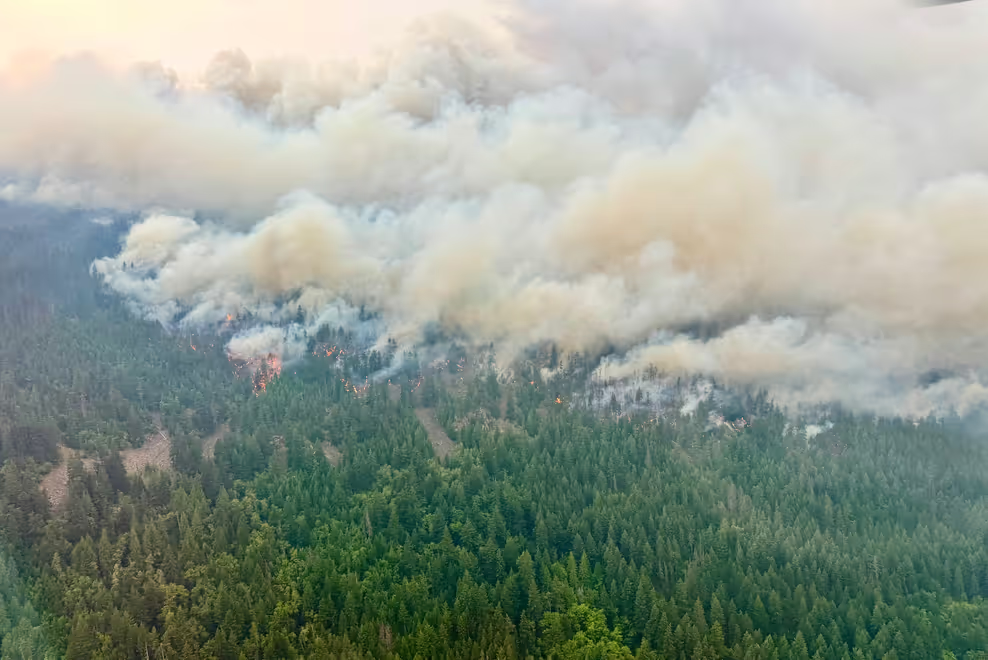
According to the advisory, the yellow air quality warning was triggered by elevated fine particulate matter, also known as PM2.5. This pollution stems from several active wildfires burning across the province. In addition, hot and sunny weather is fueling higher ground-level ozone, commonly referred to as smog.
Meanwhile, smoke is spreading from multiple wildfire sources. Metro Vancouver explained the shifting risk in its release. “Smoke levels can change quickly with weather and fire behaviour,” said Metro Vancouver in a release. “Smoke from wildfires in British Columbia, including the Brunswick Complex near Boston Bar and wildfires in the southern Interior.”
As a result, air quality can worsen or improve within hours depending on wind direction and fire activity. Therefore, officials recommend checking updates regularly rather than relying on a single reading. Because conditions are so unpredictable, residents should not assume that one clear morning means the entire day will stay smoke-free.
Rising Temperatures Add to the Risk
On top of the smoke, the region is also facing intense heat. According to Environment and Climate Change Canada (ECCC), temperatures will soar for the next 48 hours. Inland areas could reach up to 32°C, with the humidex making it feel like 38°C on Tuesday and Wednesday. Furthermore, the UV index is expected to hit nine, which is considered very high.
This combination of heat and smoke creates a compounding health risk. Hot weather alone strains the body, but poor air quality adds extra pressure on the lungs and heart. Consequently, health officials are stressing extra caution for anyone spending time outdoors this week.
Extended heat warnings have also been issued for other parts of B.C. As a result, the public across the province is being urged to stay alert. Temperatures are expected to reach the mid-to-high 30s in several regions, alongside overnight lows in the mid-to-high teens. This lack of overnight cooling can make heat exposure more dangerous over time.
“A ridge of high pressure will bring elevated temperatures to the region,” said ECCC in its warning. “High temperatures may persist until Thursday, followed by a cooling trend.” Therefore, relief may not arrive until later in the week, and residents should plan accordingly.
Things to Know During the Air Quality Warning
The Metro Vancouver Regional District explained that PM2.5 particles are extremely small. Nevertheless, they can significantly affect lung and heart health. These particles come from wildfire smoke, but also from vehicles, industry, and general burning material. Because they are so fine, they can penetrate deep into the respiratory system.
As a precaution, the district advises limiting outdoor activities while PM2.5 levels remain high. Additionally, reducing the intensity of any outdoor exercise is strongly recommended. “Conditions may last until there is a change in the weather,” said Metro Vancouver. In other words, there is no fixed timeline for when air quality will improve.
Some groups face a higher risk from poor air quality than others. Therefore, extra caution is especially important for:
- people with underlying conditions, such as asthma, lung disease, or heart disease
- pregnant people
- older adults
- children and infants
- outdoor workers
These groups should monitor symptoms closely and limit time outside when possible. Meanwhile, healthy individuals are also advised to reduce prolonged or heavy exertion outdoors. Even without pre-existing conditions, extended exposure to smoke and heat can still cause discomfort or health issues.
How Residents Can Stay Safe
Simple precautions can make a meaningful difference during this warning. First, staying indoors during peak heat and smoke hours is highly recommended. Second, using air conditioning or air filtration, where available, can help reduce indoor exposure. Third, staying hydrated is essential, especially given the extreme heat warning conditions.
In addition, checking local air quality readings before planning outdoor activities is a smart habit. Since conditions can shift quickly, relying on real-time updates is safer than assuming yesterday’s air quality will hold. Ultimately, flexibility is key until the weather pattern changes later in the week.
For now, both the heat and the smoke are expected to persist. However, ECCC has noted that a cooling trend should follow once the ridge of high pressure moves on. Until then, residents across Metro Vancouver and the Fraser Valley are advised to stay cautious, informed, and prepared.