Canada Tariffs: U.S. Slaps 50% Duties on Hockey Sticks, Wine, and Cement
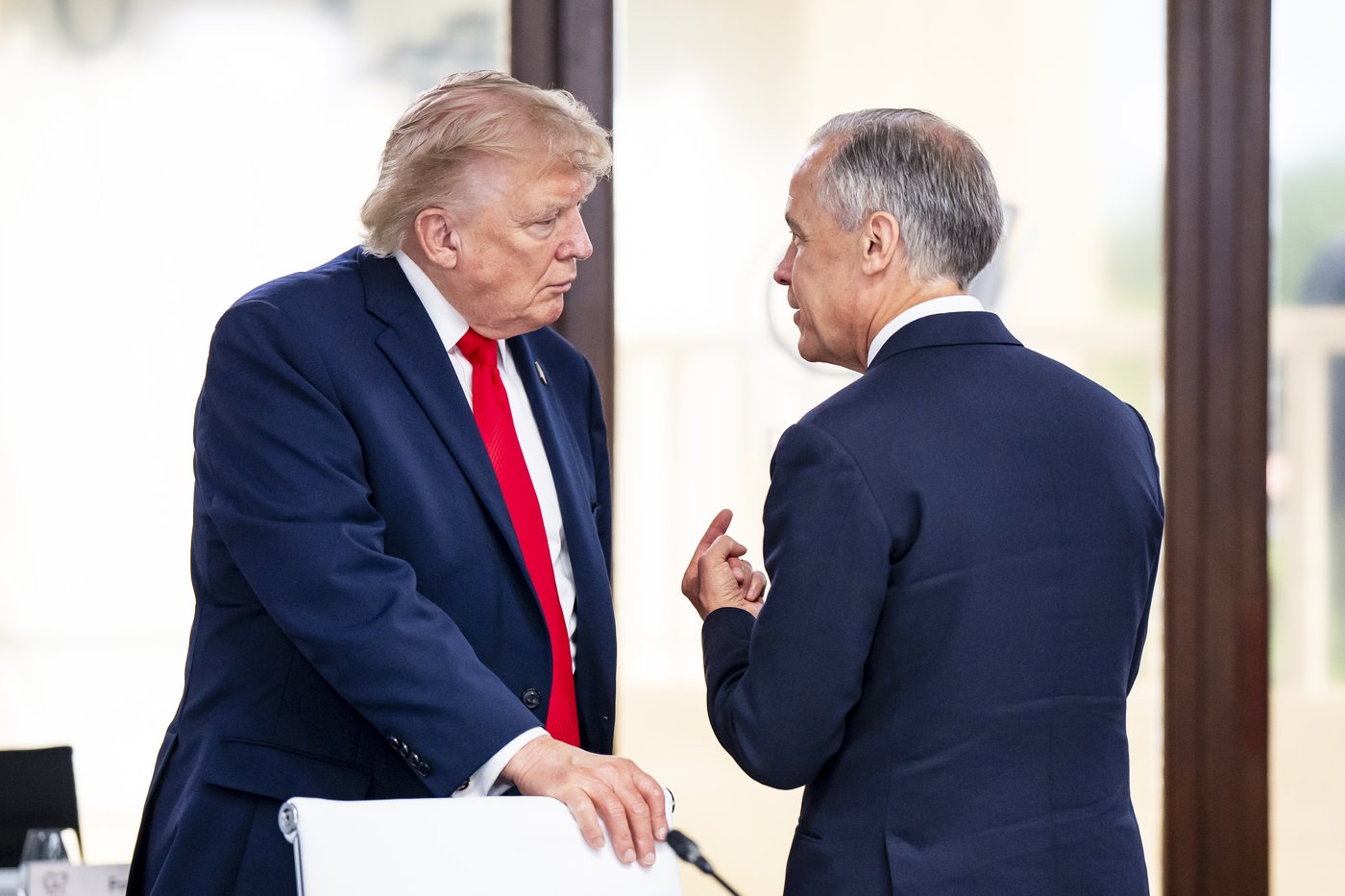
Canada tariffs are back in the headlines. On Monday, U.S. President Donald Trump signed new orders that hit a wide range of Canadian products with steep 50 per cent duties. The move marks a fresh escalation in the ongoing trade dispute between Washington and Ottawa, and it targets everyday goods like hockey sticks, wine, and cement.
The White House says the decision is meant to hold Canada “accountable” for what it calls unfair trade practices. Meanwhile, Prime Minister Mark Carney has promised a measured but firm response. As a result, businesses on both sides of the border are bracing for impact.
Why the White House Imposed These New Duties
According to a White House fact sheet, Trump is “taking action to hold Canada accountable for its continued discrimination against and unreasonable and unequal treatment of U.S. commerce that has burdened and disadvantaged hardworking Americans.” The new tariffs take effect in 30 days.
A senior White House official, speaking on background, explained that the measure responds to three specific issues. First, provincial bans on U.S. liquor. Second, Canada’s supply-managed dairy system. Third, Canadian quotas on certain U.S. vehicles.
Unlike many of Trump’s earlier tariffs, these new duties come with no exemptions. Even goods that comply with the Canada-U.S.-Mexico Agreement, better known as CUSMA, will not be spared. However, officials confirmed the tariffs won’t apply to energy, potash, fish, or critical minerals, since those sectors already face separate tariffs.
Interestingly, this round of tariffs isn’t connected to Trump’s earlier threat to punish Canada over wildfire smoke. Still, it adds yet another layer of friction to an already strained relationship.
The Alcohol Dispute at the Center of It All
Several Canadian provinces stopped buying American alcohol last year. This came in direct response to Trump’s earlier tariffs and his repeated threats about annexation. Consequently, U.S. alcohol sales into Canada have taken a major hit.
The White House reported that Canadian imports of U.S. alcoholic beverages dropped by roughly 81 per cent between March 2025 and February 2026, compared to the same period the year before. Saskatchewan and Alberta have since returned American booze to store shelves. Ontario and Quebec, however, have not.
Ontario Premier Doug Ford addressed this issue last month while in Washington. “I just want to get this deal done,” he said. “I can assure you once that deal’s done, I’m going to be sitting down and bringing all the booze back on shelves in Ontario.”
Autos and Dairy Add Fuel to the Fire
Trump’s existing 25 per cent automobile tariffs have already hurt Canada’s auto industry. Now, the White House is also criticizing Ottawa for imposing tariff-free quotas on vehicles built by automakers shifting production out of Canada.
The fact sheet claims, “Canada also administers these quotas in a way that compels U.S. auto companies to invest in production in Canada instead of the United States.” Meanwhile, dairy remains another sore point, since the White House argues Canada’s cheese quotas are far more restrictive toward the U.S. than toward the European Union.
To justify the move, the administration is using Section 338 of the Tariff Act of 1930. This law has never been used for tariffs before. Still, the White House says it allows the president to act when a trading partner disadvantages U.S. exporters compared to other countries.
Canada’s Response and What Comes Next
Prime Minister Mark Carney responded quickly to the announcement. “Canada will work relentlessly and take any measures necessary to build our strength at home and support Canadian workers, farmers, businesses and families,” he said in a statement.
He also pointed out the broader cost of the dispute. “This trade dispute has raised costs for families, particularly in the U.S. Canada stands ready to engage intensively address outstanding issues with the U.S. to the mutual benefit of our citizens,” his statement read.
Carney had spoken with Trump just one day earlier. He described it as “a conversation more broadly strategically about trade and where that’s going.” Despite the tension, he emphasized that Canada is focused on strengthening its own economy first.
“Yes, there are issues between us,” Carney said. “We have very positive issues with a series of other countries that we are pursuing. First and foremost, what we are doing is building this country strong.”
Notably, the White House repeated a familiar talking point, claiming only two countries have retaliated against U.S. tariffs: China and Canada. Canada did impose wide-ranging retaliatory tariffs last year. Since then, though, it has rolled back many of them to help smooth relations.
Ford Pushes Back Hard
Doug Ford didn’t hold back after news of the new tariffs broke. He took to social media, urging Canada to match the U.S. move dollar-for-dollar. “I’ll never stop fighting to protect Ontario. If these tariffs proceed, Canada should respond tariff for tariff, dollar for dollar,” he wrote on X.
His comments reflect a growing frustration among Canadian officials. Many feel that repeated concessions haven’t led to a stable resolution. Therefore, pressure is mounting on Ottawa to decide between further negotiation and a tougher retaliatory stance.
What This Means Going Forward
With the 30-day window now ticking, both governments face a tight timeline. Businesses that rely on cross-border trade in hockey sticks, wine, cement, and other affected goods will likely see costs rise. Ultimately, the coming weeks will determine whether diplomacy or further escalation defines the next chapter of U.S.-Canada trade relations.
Text Here