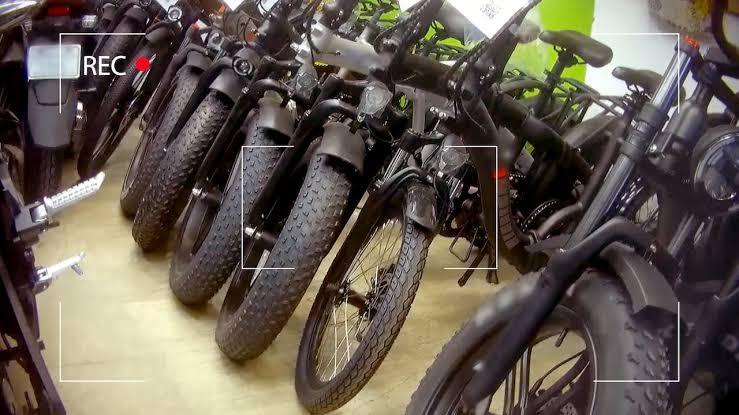
E-Bike Speed Limits: Stores Caught Unlocking Them on Camera
Electric bikes and electric scooters are becoming a common sight across Canada. Children ride them down suburban streets, and delivery drivers use them downtown. Some riders push them to highway speeds. A new hidden camera investigation by Marketplace now shows that e-bike speed limits are easy to bypass at some stores. The investigation also found shops selling e-scooters that go much faster than provincial laws allow.
Most provincial traffic laws cap e-bikes and e-scooters at 32 kilometres per hour or less. Age rules, however, vary widely across the country. They range from 12 to 18, and the territories and some provinces set no minimum age at all. As a result, local police services mostly carry the burden of enforcement, while injuries climb every year.
Hidden Cameras Reveal How Stores Treat E-Bike Speed Limits
Marketplace sent undercover journalists to 12 stores in the Greater Toronto Area. The list included Amego, Emmo, EZbike, Best Buy, Canadian Tire and Costco, which sell popular brands. The team tested how easily a shopper could find an e-bike or e-scooter that broke Ontario’s speed or age limits.
Ontario’s rules are clear. Riders must be at least 16. E-scooters cannot exceed 24 km/h on a flat surface, and e-bikes cannot exceed 32 km/h. Even so, 10 of the 12 stores sold e-bikes or e-scooters with top speeds beyond those limits. Most salespeople did remind the journalists of Ontario rules.
Salespeople at six stores went further. They told the journalists how to bypass built-in speed limits, or they showed them directly. At an EZbike location in Richmond Hill, a salesperson said the store sells e-scooters that can reach 120 km/h. That speed could earn a driver a ticket on most highways.
Other stores do limit some e-bikes to 32 kilometres. Still, when journalists asked about modifications, a salesperson at an Emmo location in Toronto said the store could modify a bike to reach up to 150 km/h for off-road use. Michael Pasquali, founder of the Canadian Electric Bicycle Association (CEBA), who owns an e-bike store in Hamilton, reacted strongly. “That’s horrible,” he said.
An employee at an Emmo in Vaughan, Ont., made the process sound simple. Bypassing the speed limiter is “just like a toggle switch.” Emmo and the company that operates the stores said a product’s technical capabilities should not be confused with what is allowed on the roads.
At an Amego store in North York, Ont., a salesperson went a step further. He unlocked the 32 km/h limit in front of the journalists and revved the motor. The e-bike passed the limit, and he said it could hit a top speed of roughly 50 km/h.
Pasquali called this kind of advice “extremely unethical,” and he doubts that buyers keep their bikes off the road.
“If you’re showing consumers how to push a button and make it faster or offering to modify it to go faster with the caveat that you keep it off road, well, that’s technically right. But most consumers aren’t doing that, right?”
Stores are allowed to sell e-bikes no matter how fast they go. Nevertheless, Pasquali finds the practice “heartbreaking.”
“Shops that are selling products that are way beyond the legal limit, they’re putting a lot of people in danger.”
Under-16 E-Scooters and the Growing Injury Toll
Speed was not the only problem. Seven stores also sold e-scooters with manufacturer-recommended rider ages under 16. Some medical experts say e-bikes and e-scooters are too unsafe for anyone under that age.
The youngest recommendation turned up at Canadian Tire. It was a Razor e-scooter with a maximum speed of 16 km/h, recommended for children eight and older. April Kam, an emergency physician at McMaster Children’s Hospital in Hamilton, said the product worried her.
“That just boggles my mind. Kids at this age don’t necessarily have the developmental ability to maneuver these motorized vehicles,” said Kam, who is also president of the Canadian Paediatric Society’s emergency medicine section.
She also criticized how companies market these products.
“It’s very concerning that there’s this huge market for selling children these motorized vehicles, essentially, and deceiving the parents and family, marketing them as toys.”
Razor responded that its e-scooter meets U.S. safety guidelines, which say eight-year-olds can operate slow-moving motorized vehicles. The company added that the e-scooter is safe when properly used and is not meant for public roads. It also said riders should follow local laws.
Best Buy, Canadian Tire and Emmo told Marketplace that customers should follow local laws. Best Buy said the rules are evolving and that it tries to keep product information updated. Costco did not comment on the findings.
Doctors say the hospital data backs up their concerns. “It’s not just a toy; it’s a motorized vehicle,” said Kam. She described the injuries her team sees.
“We’re seeing kids who are presenting with brain bleeds, with abdominal injuries, solid organ injuries.”
The numbers support her account. Data from the Canadian Institute for Health Information shows that 150 people ages 15 and under were hospitalized for e-scooter falls in the 2025-2026 fiscal year. The year before, that figure was 54. That is an increase of roughly 178 per cent, and it continues a steady rise over three years.
Head injuries tied to e-scooters rose from 50 in the 2022-2023 fiscal year to 157 in 2025-2026. Meanwhile, fractures, dislocations and muscle and tendon injuries more than doubled over the same period. Last fiscal year, they reached 544.
The Canadian Paediatric Surveillance Program released its own survey in August. It found that 10 children died in 2025 from using devices like e-scooters and e-bikes.
Sales keep climbing as well. According to Statista, sales of electric rides have more than quadrupled in Canada since 2019. Roughly 372,000 e-bikes and 76,000 e-scooters have sold so far this year.
In short, demand is surging while rules and enforcement lag behind. Public calls are growing for stronger, consistent rules nationwide and better enforcement. Marketplace released its full investigation on Oct. 2 on CBC-TV and YouTube.