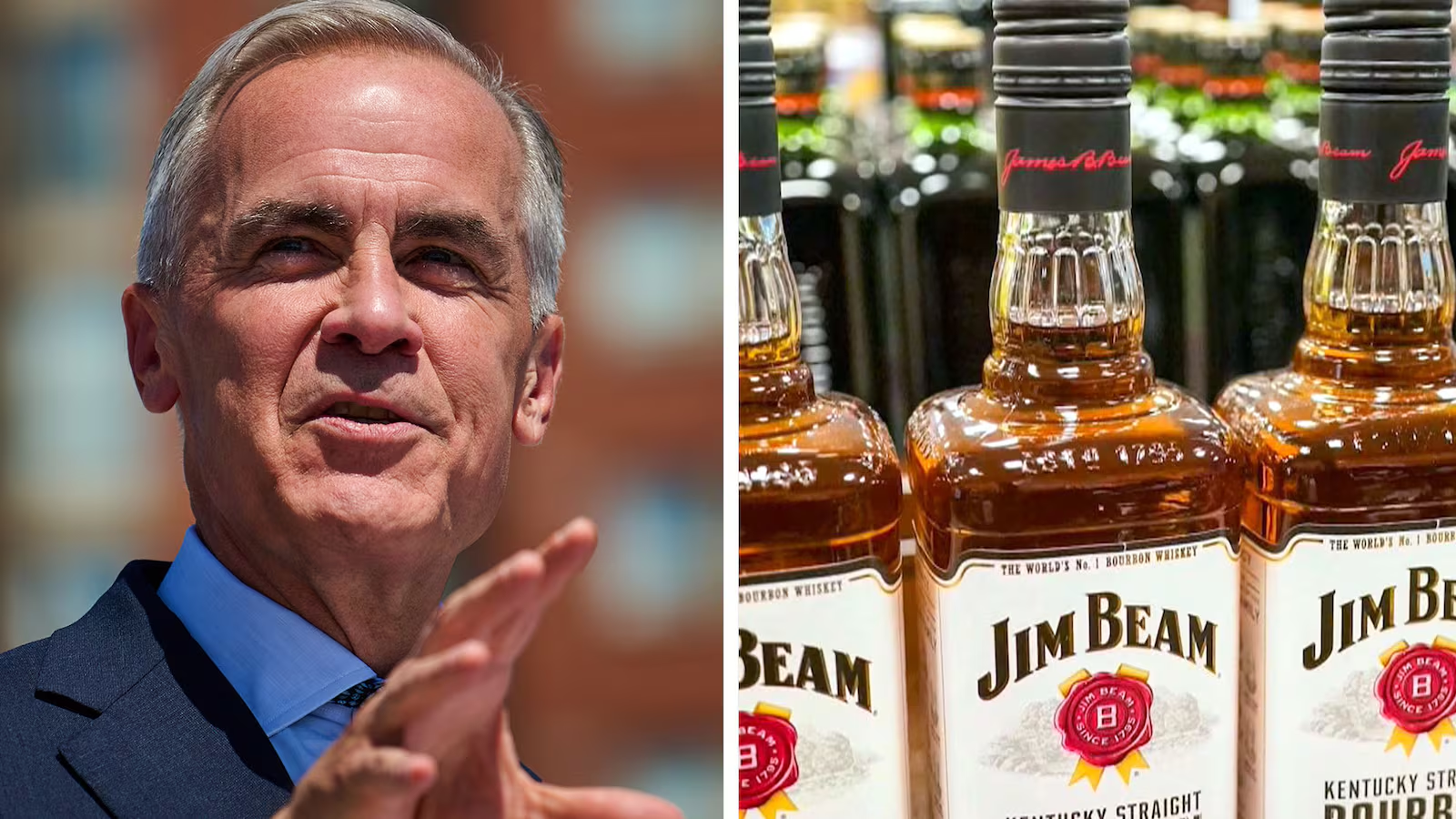
PM Carney Booze Ban: Premiers Weigh Return of U.S. Alcohol Amid Trade Deal Talks
The PM Carney booze ban debate took a new turn this week as Prime Minister Mark Carney asked provincial leaders to bring U.S. alcohol back to Canadian shelves. The request came directly from ongoing trade negotiations with Washington. However, several provincial sources say a final deal has not yet been signed.
U.S. President Donald Trump said on Wednesday that the United States “probably have a deal with Canada.” This statement came one day after he delayed new 50 per cent tariffs on Canadian goods. Trump also suggested the Keystone XL pipeline “may be awoken from the grave,” signalling broader economic talks beyond just alcohol.
Later that same day, Carney met virtually with the nation’s first ministers. Together, they discussed the finer details of a tentative trade agreement. Several premiers confirmed afterward that Carney specifically asked provinces and territories to reverse their alcohol restrictions.
Carney Asks Premiers to Return U.S. Booze to Shelves
Following the virtual first ministers meeting, Nova Scotia Premier Tim Houston revealed exactly what Carney had requested. He said the prime minister asked leaders “to return the U.S. alcohol to the shelf.” This detail came straight from Houston’s own media briefing on Wednesday.
During that virtual press conference, Houston explained the reasoning behind the ask. He noted it is “something that came directly out of the negotiating table.” Houston added it is “something that (he) would be willing to do for the prime minister at this point in time.”
Still, Houston was careful not to promise results. He pointed out that consumer behaviour remains uncertain regardless of shelf availability. “Whether Nova Scotians or whether Canadians will actually buy it when it gets back on the shelves, that’s a whole other discussion,” he said.
This candid remark highlights a real tension in the PM Carney booze ban situation. Even if provinces comply, public sentiment toward American products may not shift quickly. Therefore, the political gesture and the economic outcome could look very different.
Provincial Sources Say Trade Deal Not Done Yet
Meanwhile, multiple provincial sources shared a mix of optimism and caution with CTV News. Their comments followed a private briefing with Carney regarding the tentative Canada-U.S. trade arrangement. Nevertheless, they stressed that no agreement has been finalized.
In a post to Truth Social late Tuesday, Trump claimed the two countries “have a deal.” However, provincial sources dispute that characterization. According to them, negotiations are still very much ongoing, and nothing is locked in yet.
Beyond the public statements, the sources also confirmed a more personal appeal from Carney. He reportedly asked premiers directly to return U.S. alcohol to store shelves. Notably, Carney told them he would personally absorb any public backlash that follows.
Public opinion, though, may complicate that promise. A recent Nanos Research survey found that most Canadians say they won’t purchase U.S. booze even if it returns to stores. This finding suggests the PM Carney booze ban reversal could be more symbolic than commercially significant.
What This Means for Tariffs Across Canada
Trade talks are not limited to alcohol alone. Sources also revealed details about the broader tariff reduction expected to reach Canada. Specifically, half of that impact will land in Ontario, while the remaining half will affect the rest of the country.
This split matters because it shows how unevenly trade relief could be distributed. Ontario’s manufacturing and export sectors have historically felt tariff pressure the hardest. As a result, any reduction there could carry symbolic weight for the national economy.
Still, provinces outside Ontario are watching closely too. Since half the benefit reaches the rest of Canada collectively, smaller economies may see more modest, localized effects. Consequently, premiers from different regions may respond to the deal in very different ways.
A Deal Still in Progress
Taken together, these developments paint a picture of cautious progress rather than a finished agreement. Carney’s request for premiers to lift the PM Carney booze ban shows a willingness to make concessions. At the same time, provincial hesitation shows the deal is far from guaranteed.
Trump’s optimistic tone on Truth Social contrasts sharply with the more measured language coming from Canadian officials. This gap between public messaging and private negotiation is common during high-stakes trade talks. Even so, it adds uncertainty for businesses and consumers waiting on clarity.
For now, the alcohol shelves remain a small but symbolic marker of where these talks stand. Whether provinces act quickly, or wait for a signed agreement, will say a lot about how much trust exists on both sides. Ultimately, Canadians themselves may decide the real outcome through their shopping choices.