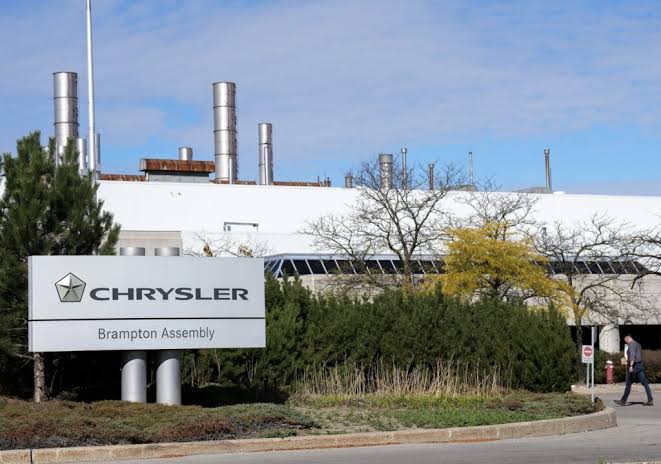
Stellantis Brampton Plant Closure Looms as Unifor Warns of Possible Sale
The Stellantis Brampton plant closure is now a real possibility, according to Unifor. The union says the automaker is seriously weighing whether to shut down and sell its long-idled Ontario assembly facility. This development lands at a sensitive moment, since Unifor is already deep in labour talks with the Detroit Three automakers.
For workers who have waited years for clarity, the news adds fresh uncertainty. Thousands of jobs remain tied to a plant that has not built a single vehicle since 2023. Consequently, the union is now demanding answers before any final decision is made.
What Unifor Says About the Stellantis Brampton Plant Sale
Unifor confirmed it received word from Stellantis earlier this week about the company’s intentions. According to the union, Stellantis is seriously evaluating both the closure and the sale of the facility. However, no formal written notice has been delivered yet.
Under the current collective agreement, Stellantis cannot simply walk away. The contract requires the company to give no less than one year’s notice before any closure or sale takes effect. Therefore, even if Stellantis moves forward, workers and the union are entitled to a defined runway.
Unifor National President Lana Payne addressed the situation directly. She said, “To say that we are disappointed would be an understatement.” Her comments reflect a broader frustration that has built for months among Local 1285 members.
Payne also made clear that the union will not stay silent. She stated, “None of this is acceptable to our union and nor will it be acceptable to our members. The workers of Brampton and this country deserve so much better.” These words signal that Unifor plans to push back hard.
Timeline: How the Idled Plant Reached This Point
To understand today’s headlines, it helps to look back at the plant’s recent history. The Brampton Assembly Plant went idle in December 2023, initially for what seemed like a routine retooling project. At the time, Stellantis planned to prepare the site for Jeep production.
Retooling work actually began in early 2024. Nevertheless, momentum stalled less than a year later. In early 2025, Stellantis paused the project entirely, leaving workers without a clear return date.
The pause turned into something more permanent by October 2025. Stellantis announced that production of the Jeep Compass, originally slated for Brampton, would instead move to the United States. As a result, the plant has sat idle indefinitely ever since.
This timeline matters because it shapes how workers view the latest news. Many had already grown skeptical after repeated delays. Now, talk of a sale feels like the next chapter in a story that started with promises of new production.
Union Reaction and Broader Concerns
Beyond frustration over broken timelines, Payne also emphasized what the plant has meant historically. She described it as “an economic anchor for the community of Brampton for generations.” Furthermore, she called it a “driver of good union jobs and a producer of the iconic Chrysler and Dodge brand vehicles.”
That legacy is exactly why the potential sale feels significant to so many. Local 1285 represents roughly 2,200 members who have remained on layoff since the plant stopped production. Meanwhile, families and local businesses have felt the ripple effects of an idle facility for years.
Payne indicated the union intends to keep pressing for solutions beyond just this one plant. She noted Unifor “will continue to push” for policies that protect Canadian auto manufacturing more broadly. In other words, Brampton has become part of a larger conversation about the industry’s future in Canada.
What Happens Next in Contract Negotiations
Timing plays a major role in how this story unfolds. Unifor is currently negotiating with General Motors, and Stellantis talks are next on the schedule. Given that sequence, the Brampton situation will likely shape the tone of those upcoming discussions.
Stellantis, for its part, has offered limited public comment so far. In a statement, the company said it is preparing to enter the collective bargaining process. It added that it has nothing to announce at this time, though it remains focused on finding a solution for the plant.
That measured response leaves plenty of room for speculation. Still, Unifor has made its position clear: workers deserve transparency, and any closure must follow the terms already agreed upon. Because bargaining is approaching, both sides now have a defined venue to address Brampton’s future directly.
Why This Story Matters Beyond Brampton
This situation extends well past one factory in Ontario. It touches on how automakers weigh cross-border production decisions, and how unions respond when commitments shift. Additionally, it raises questions about what protections workers actually have when a plant goes idle for years.
For now, the Stellantis Brampton plant closure discussion remains unresolved. No formal notice has been filed, and no final decision has been publicly confirmed. However, the coming weeks of negotiation will likely determine whether Brampton reopens, changes hands, or shuts down for good.