BC Wildfire Evacuation Forces 20,000 to Flee Homes
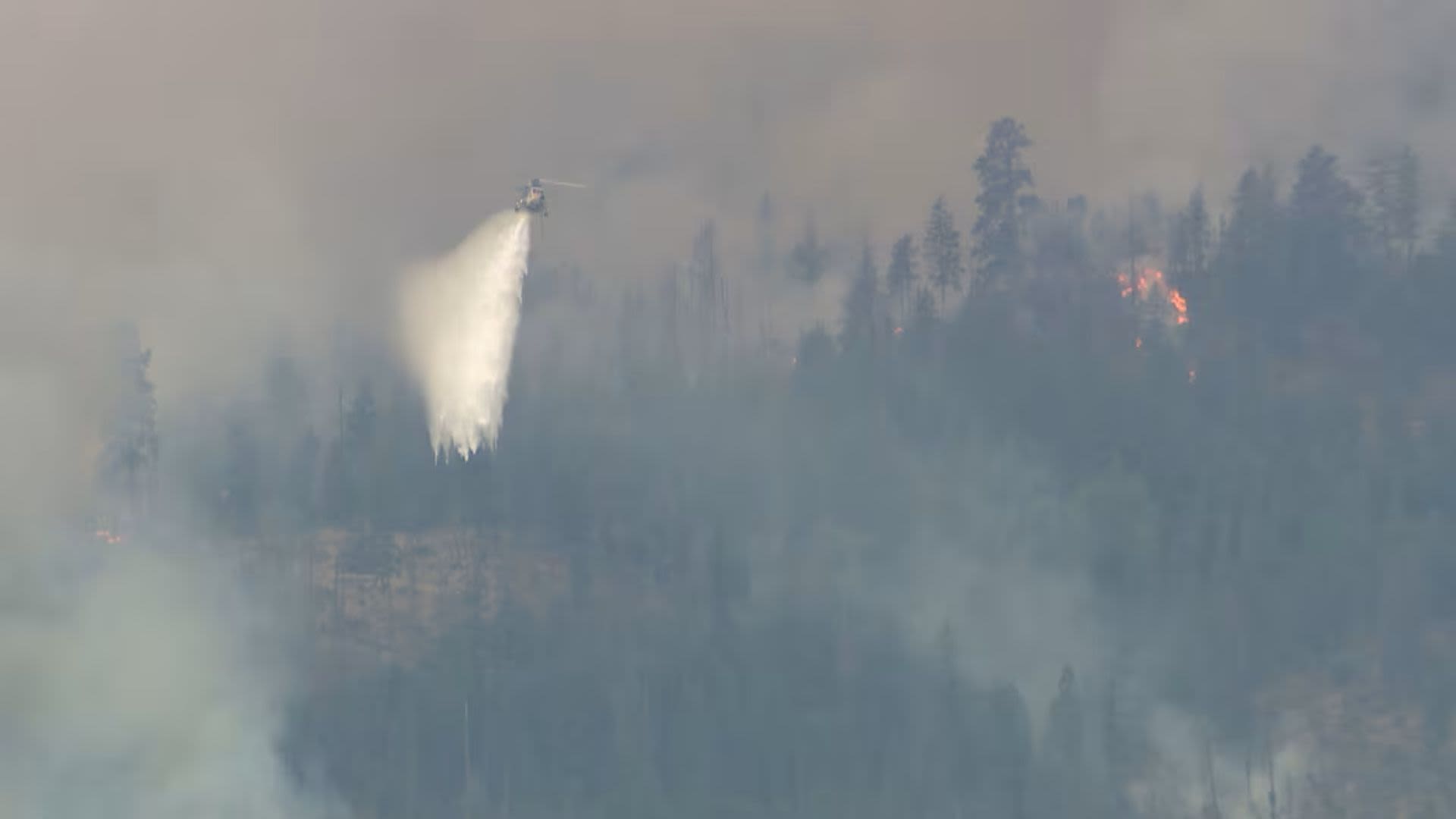
A massive BC wildfire evacuation swept through the Okanagan region overnight, forcing more than 20,000 residents out of their homes. The fast-moving Bald Range wildfire exploded in size near Okanagan Lake, prompting officials to issue urgent evacuation orders for entire communities. Fire crews now describe the situation as one of the fastest-growing blazes the region has ever faced.
Why the Bald Range Fire Triggered Mass Evacuations
The wildfire was first reported Friday afternoon, roughly 15 kilometres west of Summerland. Within just a few hours, however, it grew to more than 5,000 hectares. This explosive growth pushed officials to act quickly and expand evacuation zones across the western shore of Okanagan Lake.
Evacuation orders now cover the entire community of Summerland, home to about 12,000 people. Additionally, around 8,000 residents in and around Peachland were told to leave immediately. Both communities sit directly in the fire’s path along the B.C. Interior.
The BC Wildfire Service reports that the blaze is showing aggressive rank 5 fire behaviour. This includes an organized flame front, a fast rate of spread, and moderate to long-range spotting. As a result, firefighting crews are facing extremely difficult conditions on the ground.
Officials also confirmed that gusty winds fuelled the fire’s rapid growth overnight. These winds not only accelerated the spread but also complicated aerial firefighting efforts significantly. The BC Wildfire Service says embers are now spotting nearly a kilometre ahead of the main fire zone, making containment even harder.
Some residents have told Global News that certain homes have already been lost to the flames. Meanwhile, fire behaviour specialist Taylor Colman with the BC Wildfire Service said extreme conditions and rapid spread are expected to continue overnight and into Saturday. Consequently, crews remain on high alert as the fire continues to threaten nearby properties.
Highway Closures and Helicopter Rescues During the BC Wildfire Evacuation
Because the fire moved so quickly, some residents had to be evacuated by helicopter. Roadway access had already been cut off in several areas, leaving air rescue as the only safe option. This shows just how dangerous conditions became within hours of the fire’s initial report.
Early Saturday morning, officials closed Highway 97 between Peachland and Trout Creek. This closure directly affects a major travel route through the Okanagan, and it remains in effect as firefighting operations continue. Drivers are strongly advised to seek alternate routes until further notice.
The image below, released by the Central Okanagan Emergency Management, shows the area currently under evacuation order in red.
[Image: Map of the Bald Range wildfire evacuation zone, Central Okanagan Emergency Management]
Officials Warn the Danger Is Far From Over
Erick Thompson, with the Regional District of Okanagan-Similkameen’s emergency operations centre, says the fire was first detected at 5:30 p.m. Since then, it has grown at an alarming rate, catching many local officials off guard. He explained that the fire poses an immediate threat to everyone still within the evacuation zone.
Thompson urged all residents from Summerland north to Peachland to leave without delay. He described it as one of the “quickest-moving, fastest-growing” fires the area has ever experienced. Therefore, officials are treating every hour as critical while the fire continues to expand.
At this time, firefighting crews are focused on protecting structures and establishing containment lines wherever possible. Nevertheless, aggressive fire behaviour combined with ongoing gusty winds continues to challenge both ground and air crews. Authorities say updates will be issued as conditions change throughout Saturday.
What Residents in the Evacuation Zone Should Do Next
Anyone still inside the evacuation zone should leave immediately and follow official routes only. Furthermore, residents should monitor local emergency alerts closely, since conditions are changing rapidly. Packing essential documents, medication, and a small emergency kit can make evacuation faster and safer.
For those outside the zone, avoiding the affected area helps keep roads clear for both evacuees and emergency vehicles. In addition, checking on elderly or vulnerable neighbours before leaving can prevent unnecessary risk. Local officials continue to stress that safety, not property, remains the top priority during a fast-moving wildfire like this one.
This wildfire evacuation remains active, and the situation on the ground is evolving quickly. As new information becomes available, officials say they will update evacuation boundaries accordingly. Residents are advised to stay alert, stay informed, and avoid returning to the area until it is declared safe.