B.C. Wildfires: Over 5,000 People Under Evacuation Orders in 24 Hours
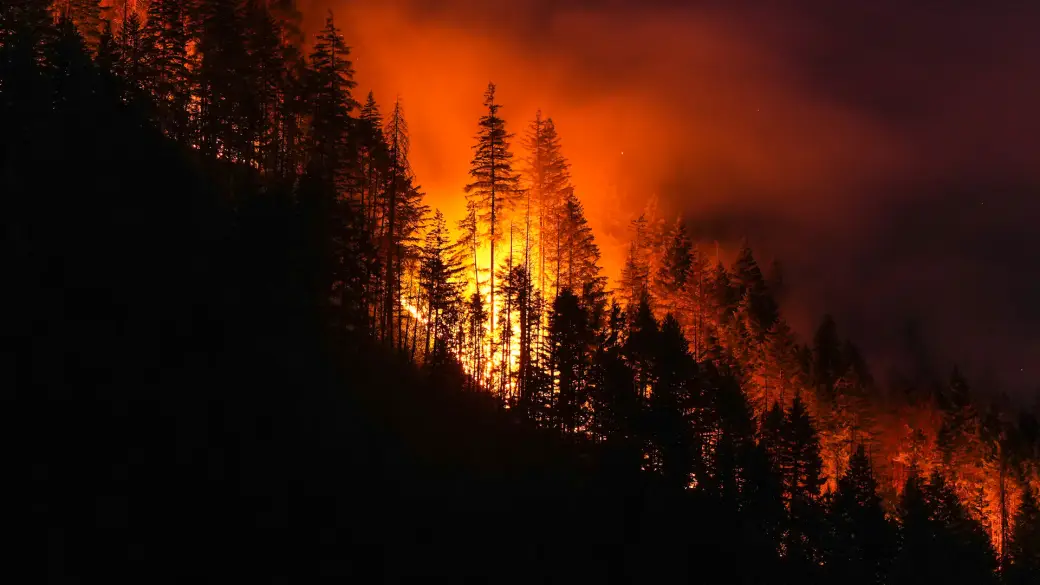
B.C. wildfires evacuation orders have surged dramatically as more than 5,000 residents across British Columbia were forced from their homes within a single day. The province is now grappling with over 130 active wildfires, and officials warn the situation remains volatile. Strong winds, lightning strikes, and record-level drought conditions have combined to push fire activity to dangerous new heights. As a result, emergency crews are racing to protect communities before conditions worsen further.
A Rapidly Evolving Emergency Across the Province
Kevin Dunbar, executive director of provincial response and recovery operations, described the scale of the crisis bluntly. “We are currently in a complex and rapidly evolving emergency response here in B.C.,” he said. Furthermore, he noted that “there are currently states of local emergencies in effect for First Nations and local authorities across the province.”
Since Saturday, according to Dunbar, shifting weather patterns have triggered a wave of new evacuation orders and alerts. Consequently, thousands of families have had little time to prepare before leaving their homes. Meanwhile, the BC Wildfire Service confirmed that dozens of additional fires ignited over the weekend, fueled by high winds and lightning.
In total, the province now reports approximately 130 wildfires burning, with nearly half classified as out of control. About 30 new fires broke out in just the past 24 hours alone. Because so many blazes remain active, officials say it isn’t yet safe to assess the full extent of structural damage.
“It isn’t necessarily safe for folks to go in and really take stock of structure loss and impacts,” Dunbar explained. Instead, local authorities, governments, and First Nations will conduct damage assessments once conditions allow. Until then, the priority remains keeping residents safe and out of harm’s way.
Which Communities Face the Greatest Risk?
Cliff Miller of the BC Wildfire Service pointed to drought conditions in southern B.C. as a major driver behind the extreme fire behaviour. He noted these conditions have reached record levels, creating what he called “explosive” fire growth in several regions. However, not every community faces equal risk at this stage.
“Anyone who is on order is probably the most at risk,” Miller said. Additionally, he explained that new evacuation orders signal where danger is currently highest. “If we put in a new evacuation order, that makes it to the top of the list of where we believe there might be the most risk to a said community,” he added.
A cold front that swept through southern B.C. over the weekend also had significant effects on both new and existing fires. Although the front has now passed, officials caution that risk remains high heading into August. Therefore, residents in affected zones should stay alert and follow official updates closely.
To manage the growing crisis, the province has secured substantial outside support. Over the next three weeks, crews and equipment will arrive from Mexico, Australia, and other Canadian provinces, including Alberta. More than 500 contractors are already engaged, alongside 130 aviation helicopters and a full air tanker fleet.
What Comes Next for B.C. Wildfire Conditions?
Looking ahead, forecasters expect a slight drop in temperature and an increase in relative humidity over the next few days. Unfortunately, there is very little chance of rain in the near term. “So it will give us a chance on some of these fires and to not see that explosive growth over the next 48 hours,” Miller said.
Still, another high-pressure system could bring renewed warm and dry conditions later in the week. On a more positive note, reduced winds over the next three to four days may help suppress some of the active fires. Nevertheless, officials stress that the danger is far from over.
Given the ongoing risk, Dunbar urged residents in vulnerable areas to pre-register for emergency support services now. He also recommended creating an updated emergency plan and assembling a grab-and-go bag for every household member, including pets. Each bag should hold enough supplies for at least 72 hours of self-sufficiency.
“We know that this is a very difficult and stressful time for those who’ve been evacuated,” Dunbar said. As the province continues battling over 100 wildfires, preparedness and quick action remain the most powerful tools residents have. Ultimately, staying informed through official channels will be essential in the days ahead.